In the business world, innovation often begins with frustration and a desire for change. That’s exactly how Warby Parker was born. It started in 2010 when four friends from Wharton Business School—Neil Blumenthal, Dave Gilboa, Andrew Hunt, and Jeff Raider—found themselves questioning why glasses were so expensive.
Dave Gilboa lost his glasses while backpacking and couldn’t afford to replace them. After some digging, the group realized that a single company dominated the eyewear market, inflating prices. They saw an opportunity to disrupt the industry by creating affordable, stylish glasses that were sold directly to consumers.
But their vision didn’t stop there. Having worked at VisionSpring, a nonprofit that provides glasses to underserved communities, Neil Blumenthal knew the power of access to vision care. The founders decided to make social impact a cornerstone of their business.
👓 A New Kind of Shopping Experience
Warby Parker reshaped the eyewear market not just with lower prices, but also with a customer-centric shopping experience:
- Customers can try five pairs of glasses at home for free before making a purchase.
- They also introduced virtual try-ons, making it easier than ever to find the perfect pair.
This innovative approach removed the traditional barriers to buying glasses while keeping things simple and enjoyable for customers.
🤝 Buy a Pair, Give a Pair: Creating Impact
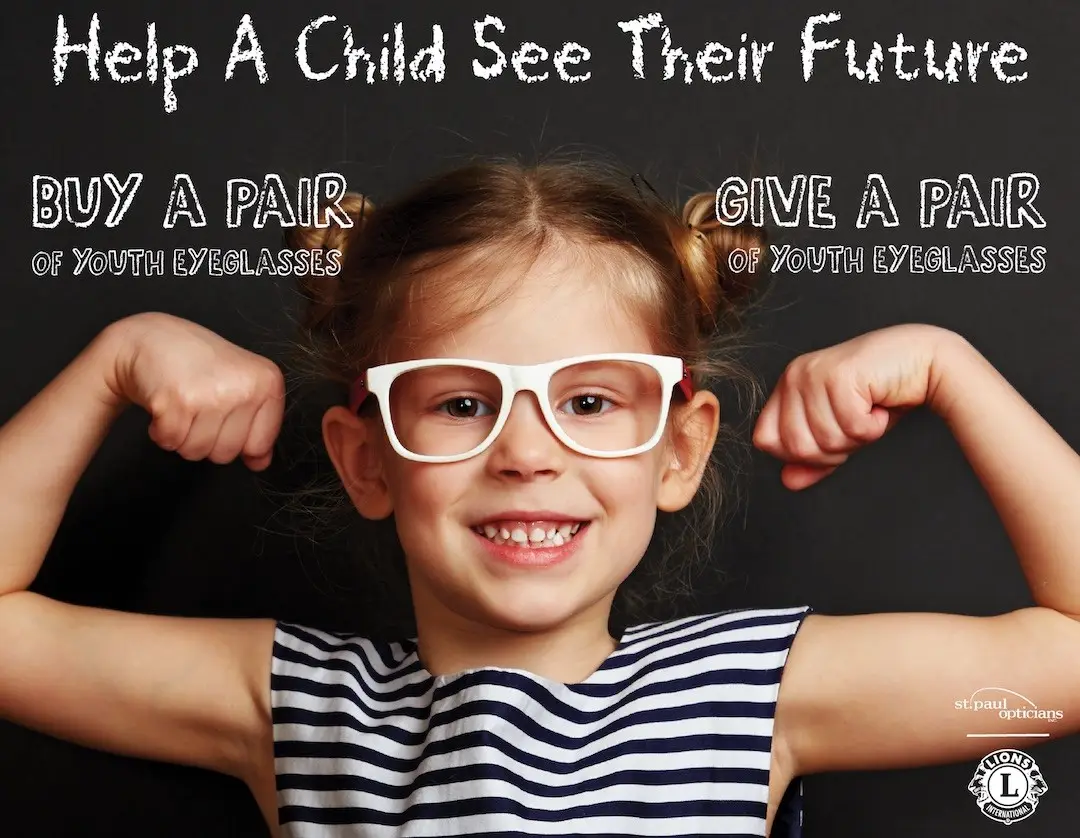
For every pair of glasses sold, Warby Parker donates a pair to someone in need through partnerships with nonprofits worldwide. This “Buy a Pair, Give a Pair” model has had an incredible impact:
- Millions of people have received glasses, giving them the ability to work, learn, and thrive.
- The initiative has improved productivity and helped many gain access to new opportunities.
The results go beyond individual lives—it’s about building stronger communities and sustainable change.
📈 What We Can Learn: Business as a Force for Good
Warby Parker’s story proves that profit and purpose can go hand in hand. Their journey from a simple idea to a global brand reminds us that businesses can be a powerful tool for social change.
So, next time you pick up a pair of glasses, think of the bigger picture: You’re not just improving your vision—you’re helping someone else see a brighter future, too
Leave a Reply